

WE WERE HERE BEFORE THE INTERNET — SURVIVING PHILADELPHIA’S "WILD WEST" — Long before social media, paid review metrics, and digital marketing created an alternate reality online, our family was on Philadelphia rooftops mastering true trade science. Between vague, loosely enforced local building codes and online noise, Philadelphia’s contracting market has devolved into a true "Wild-West." Extreme creative latitude is handed to inexperienced operators whose lack of basic trade knowledge directly causes the catastrophic wall cavity rot, mold infestations, and deck failures we inspect and repair every week.

When these shortcuts inevitably leak, operators double down on bad science. First, they blame proven traffic-bearing materials like fiberglass instead of the real culprits needing proper repair: improper flashings, missing kickout details, and unvetted wall claddings. Then comes the secondary trap: niche "leak detection" companies attempting to find the leak using uncalibrated "water tests." Using garden hoses to introduce water into structural areas that have never leaked has zero acceptance in any recognized construction standard—a fifth-grader could tell you that doesn't sound right!

This destructive testing doesn't detect leaks; it creates brand-new ones. Water is driven deep into wall cavities where it breeds hidden mold and rots framing timber from the inside out. On the outside, saturated lumber swells, putting extreme stress on surrounding claddings until new cracks form requiring extensive repair. When you call the testing company back, they point to the fresh damage and label it a "new leak." So goes the cycle in Philadelphia—from bad, to worse, to catastrophic. Don’t repeat the cycle! You will hear that a lot from us.
Please don't be swayed by fake reviews, online gimmicks, or damaging water hose tests. Demand real building science, non-destructive forensic inspection, precision leak detection, and nearly 50 years of family accountability for every repair.
"WE WILL NOT START CUTTING YOUR HOME APART TO LOCK-IN A CONTRACT FOR REMEDY OR REPAIR."
"WE WILL NOT USE DESTRUCTIVE WATER TESTS TO VALIDATE OURSELVES."
Our initial inspection visit is free and we will not apply pressure or start destructive measures — please read on:
Note: As a premier roof leak detection and repair company in Philadelphia, FSI Restorations provides specialized leak inspection in Philadelphia focusing on weather-driven water intrusion breaching your home's outer shell. If you suspect an internal plumbing issue rather than external cladding damage, our non-destructive water leak detection service in Philadelphia will quickly isolate the source so you can engage a qualified plumber with complete confidence.
Before scheduling leak detection and repair, review these key observations to help us pinpoint your leak faster:
Timing: Does it drip only during heavy, wind-driven rain?
Delay: Does water appear hours after a storm stops?
Location: Is the ceiling stain directly under a deck or parapet needing repair?
Seasons: Does it happen in freezing winter weather (condensation)?
Inspecting and detecting a hidden roof leak requires more than just advanced equipment—it requires teamwork. We inspect every leak forensically, and the most vital diagnostic data always comes directly from you, the homeowner. Here is how you can help us solve and repair the problem faster:
Share Your Inspection Observations: You know your home best. Your firsthand experience is the foundation of our leak investigation.
Track the Timing: Tell us how the leak behaves. Is it a constant issue, or is it intermittent and tied to specific weather conditions?
Keep a Record: Documenting exactly when, where, and how water appears gives our leak specialists the exact evidence needed to detect the source and execute a permanent repair.
Water intrusion doesn't always come from a damaged roof membrane. In Philadelphia's unique row homes and residential structures, water frequently enters through subtle wall-to-roof transitions, failing parapet caps, degraded window flashings, or improper stucco terminations. Our specialized leak inspection and detection methods pinpoint exact entry points without invasive water spraying or destructive teardowns, paving the way for targeted, permanent repairs.
Not all water leaks are the same. Understanding the source during inspection dictates the correct detection and repair approach:
| Diagnostic & Repair Factor | Plumbing Water Leaks | Building Envelope / Roof Structure Leaks |
|---|---|---|
| Primary Source | Pressurized supply lines, drain traps, toilets, shower pans. | Parapet caps, window frames, siding, stucco, deck transitions. |
| Behavior | Constant dripping regardless of weather; sudden active flow. | Intermittent; tied strictly to wind-driven rain, melting snow, or freezing. |
| Our Forensic Solution | Inspect and detect non-destructively so your plumber can repair with pinpoint accuracy. | Non-destructive forensic inspection, leak detection, and permanent structural repair. |
Watch how we inspect, detect, and trace complex structural leaks without destructive water hose testing or exploratory demolition prior to repair.
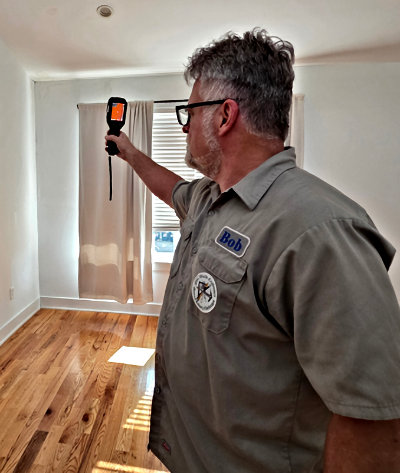
Smart Diagnostics, Zero Destruction. We believe in non-destructive inspection and detection. When our initial inspection is complete, you will not be left with holes in your ceilings, a mess to clean up, or an exploratory demolition bill. Instead, we use minimally invasive procedures backed by nearly five decades of hands-on construction experience.
We detect the root cause using knowledge you simply cannot learn in a classroom. As veteran builders, we don't just understand how leaks happen; we understand how the entire structure is built and how to execute a lasting repair. Get the precise answers you need without causing secondary damage to your home.
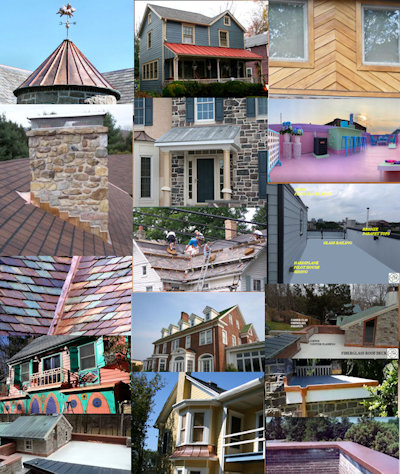
After nearly half a century of actual building experience and service in the industry, our approach is built on non-invasive, precision inspection and detection. We pinpoint the exact source of water intrusion, often in minutes, using advanced forensic methods and decades of applied trade knowledge to prepare a permanent roof repair strategy.
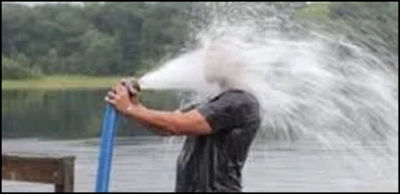
Spraying water onto building exteriors creates artificial breaches and traps moisture inside interior walls.
When water is intruding into your home, you need answers and targeted repair—not a water hose. Shooting water into sidewalls and lapped claddings creates artificial leaks that were never an issue before. This invalidates testing accuracy and forces an influx of water into unexposed assemblies.
Artificial hose testing traps moisture that festers, swells framing, and breeds mold. Protect your home and consult our Philadelphia mold and moisture experts before allowing anyone to spray water into your walls.
Read the trade advisory: Philadelphia Roof & Deck Leak Testing: Myths vs. Forensic Diagnostics .
Detailed trade breakdowns of modern building failures and forensic repair strategies across Philadelphia properties.
Inspecting and detecting pilot house leaks requires a deep understanding of building science and storm mechanics. In Philadelphia row homes, rooftop doors take the brunt of severe weather exposure—where original builders routinely flip cheap in-swing doors outward, leave raw perimeter wood edges unprotected, and omit monolithic door pan flashings.
Because these precision details are missed by 99.9% of builders, water damage creeps deep into floor joists and subfloors for months or years before tell-tale water stains ever manifest on interior ceilings below. Proper repair requires installing custom door pans and re-establishing continuous waterproofing thresholds.
Siding leaks are notorious, silent destroyers of home structural integrity. Vinyl siding and synthetic claddings function strictly as supplemental rain screens rather than primary waterproof barriers. When water penetrates J-channels and corner posts, the entire burden of leak protection falls on the underlying weather-resistive barrier.
Because siding allows water migration behind panels, hidden leaks remain ongoing long before water stains manifest on interior ceilings or drywall. By the time interior damage is visible, extensive structural rot and mold growth have usually occurred downstream from the exterior entry point, necessitating thorough structural timber repair.
Builders save thousands of dollars on fenestration during construction by installing cheap, builder’s grade windows and patio doors. These thin-framed units routinely fail due to clogged internal sill weep channels, mechanical screwed joints, and flimsy pile weatherstripping, causing hidden water damage to subfloors and framing long before ceiling stains appear.
We have frequently commented on the severe issues surrounding modern synthetic/hard-coat stucco and the systemic flaws of those who inspect it. Inspectors, much like original builders, rely strictly on minimum building code requirements—codes that are routinely touted as "updated and improved."
A primary example of this code regression is the widespread acceptance of two-coat stucco systems over traditional, time-tested three-coat applications. While home inspectors site updated codes as proof of progress, our forensic inspection proves otherwise: the reduction in coats and thickness is a massive driver of premature cracking, water absorption, and structural wall cavity failure requiring extensive remediation repair.
Furthermore, the majority of stucco leaks do not stem from the field of the wall itself, but from improper integrations with adjoining building materials:
When water damage finally manifests, "single-trade" repair contractors arrive on the scene to patch the visible cosmetic damage without ever inspecting, detecting, or understanding the root cause. As a result, the entire destructive leak cycle simply repeats itself.
You need a true building envelope professional to perform a complete, forensic inspection and detection analysis of your wall system before lending an ear to inexperienced operators—the very same trades who helped create the widespread stucco failures we are inspecting and repairing across the region today.
Sheet metal scupper boxes suffer from an extraordinarily high failure rate across Philadelphia flat roofs and decks. Water frequently appears to leak from the scupper during inspection when it is actually entering upstream through compromised masonry or parapet caps and traveling along floor joists. Conventional metal boxes split at soldered seams due to thermal expansion, requiring custom, monolithic drain repair transitions.
Hard-fastening sheet metal parapet caps directly into masonry or wood blocking violates SMACNA and NRCA design specifications. Without proper provision for linear thermal expansion, kinetic stress tears pop rivets, splits caulked seams, and allows rainwater to flow silently down inside vertical wall cavities. Metal copings serve strictly as water-shedding covers and require continuous concealed cleats, secondary waterproofing membranes, and engineered coping repair.
We know because we are the manufacturer of Fiberglass Roof Membranes—and we install and repair more of these systems than anyone in the City of Philadelphia. When seeking professional roof leak inspection, detection, and repair in Philadelphia, beware of water hose testing. Injecting deck assemblies and sidewalls with water in unnatural ways causes severe, unseen structural damage that shows up long after the detection crew leaves the scene.
Fact 1 — Structural Damage vs. Interior Stains: Most leaks do not immediately appear on the interior ceiling. Damage resides hidden within structural framing. Looking strictly for interior validation during a water test without proper inspection is the wrong approach.
Fact 2 — Unnatural Spraying & Cladding Breach: Siding and vertical wall claddings are lap-designed strictly for natural rain events. Spraying water from artificial angles at unnatural entry points damages wall envelopes and breaches moisture barriers needing costly repair.
Fact 3 — Substrate Swelling & Membrane Cracks: On fiberglass decks, forced water gets trapped between plywood substrate layers. The wood swells, stressing the fiberglass topcoat and cracking the deck months later, turning a simple fix into a major deck repair.
Our Urgent Warning To Homeowners: NEVER EMPLOY THESE WATER HOSE METHODS! DEMAND FORENSIC INSPECTION, PRECISION DETECTION & PERMANENT REPAIR!
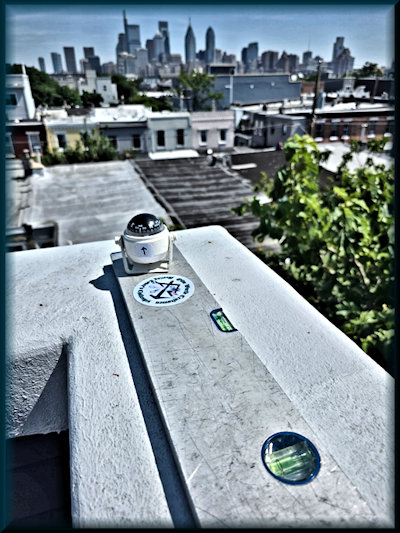
You’ve got a leak, and the source is a mystery. Maybe other contractors have already tried to fix it, but the latest downpour proves the problem is still there—leaving you frustrated and desperate for answers. Where do you turn when the "fixes" fail? Rest assured: there isn't a leak out there we haven't inspected, detected, and repaired countless times before.
When severe storms hit, the exterior envelope of your home takes a beating. We trace wind-driven rain and weather intrusions through all major external systems to deliver permanent repairs, including:
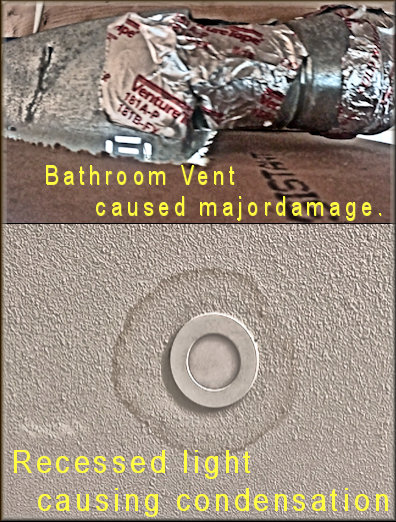
It might sound crazy to think a "leak" is actually coming from inside your own house, but we have seen it all. Our inspection process prevents you from paying for unneeded roof repairs when severe condensation is the true culprit.
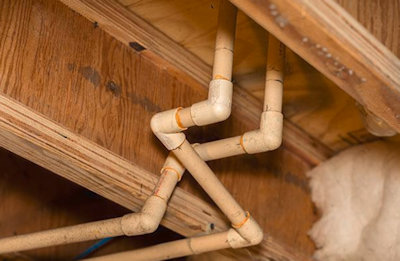
Water follows the path of least resistance. We inspect and trace mysterious leaks back to common plumbing culprits so your plumber can complete an exact repair, including:
You do not have to live with the stress of an unresolved leak or the fear of a costly trial-and-error repair. Reach out to our team today. We will listen to your observations during our free inspection, detect the root cause, and map out a clear, scientific plan for permanent repair.
TALK TO US
Philadelphia's trusted building diagnosticians since 1978. Specializing in precision, non-destructive leak inspection, detection, and permanent structural repair.
Providing forensic leak inspection, detection, and structural repairs across Philadelphia, Bucks County, Montgomery County, and surrounding tri-state areas.
© 2026 FSI Restorations. All Rights Reserved. Roof Leak Inspection, Detection & Permanent Repair Specialists.