 |
 |
MOISTURE: THE COMMON DENOMINATOR
Ventilation |
Mold Remediation |
Basement Waterproofing |
|||||||
|
|||||||||||||||||||||||||||
Moisture is a real problem in many homes and this can be caused by modern retrofit applications of energy saving upgrades. Green Construction is more than a marketing ploy, it is a philosophy of fitting and proper construction techniques employed in an informed approach that yields permanent and trouble-free satisfaction. Even one upgrade element such as new windows can cause a domino affect where new issues arise with moisture and mold problems. |
|||||||||||||||||||||||||||
|
|||||||||||||||||||||||||||
| Attic Moisture, Mold & Rot Answers Interactive Presentation: Click Here | |||||||||||||||||||||||||||
| Moisture
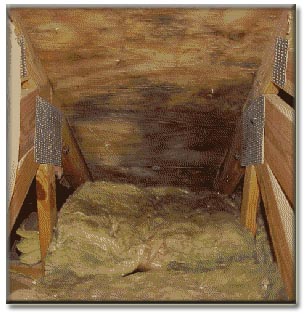
and Condensation Feed Mold The trends of the modern energy conservation in residential construction, especially older homes,have presented the remodeling industry with challenges. Homes are commonly retrofitted with new windows and insulation and sidings with House-Wrap style barriers. All of these measures can be valid; however, the key element of moisture condensation and mold is the most misunderstood concept among home renovators. In the Northeast Climate, one must consider the balance between an interior barrier and an external barrier. Mold in the Attic The presence of mold in the attic is clear evidence that moisture is present at least part of the year. In the climate of the Northeast, winter provides a perfect environment, in some attics, for mold to flourish. The ?warm attic syndrome? is a condition where attic insulation, ventilation and possible air leakage into the attic, are contributing to moisture and temperatures favorable for mold growth. Readily present in the environment, mold will grow if it has food, undisturbed moisture and warmth. The type of mold we find in attics is of the type that feeds on dead organic material and thrives in darkness. This organism is simple to destroy if you get it early. Mold grows and reproduces quickly, so it is important to move quickly. If you suspect that you have a mold problem, you should call us for a free evaluation. Mold is serious business! Especially in your home, mold can wreak havoc on your family's health, even causing death in extreme cases. Asthma and allergies can be aggravated to a point that death occurs. Some will say this emphasis on mold is overrated. For some, mild cases of mold do not make a big difference in the quality of life. In the attic however, hidden from view, mold can gain a footing that will make life miserable. In most cases attic mold grows without encumbrance because it is hidden from daily life. The moisture that feeds mold many times ruins the attic insulation and the heating bills warrant a trip up and into the attic spaces to inspect the insulation. It is usually at this time, when the mold is thriving in the winter months, that homeowners realize they have an attic mold problem. |
|||||||||||||||||||||||||||
Tightening Up Homes to conserve Energy and Fostering Mold Read how adding extra attic insulation often causes more moisture! Insurance Companies Are Approving New Roof Installations To Alleviate Mold Issues In The Attic |
|||||||||||||||||||||||||||
ATTIC MOLD REMOVAL:
|
|||||||||||||||||||||||||||
Call a company that has experience not only in mold but in the many facets of construction, including insulation, ventilation, masonry, siding, roofing and restoration. Get a warranty and have peace of mind knowing that you have found the source of the moisture, and have eradicated not only the mold problem but the source of the problem. Call Us! We will: 1. Properly diagnose the problem. Many inexperienced contractors will offer a solution based upon a bleach application. First you must consider that bleach is not an effective solution and only deals with the surface mold. The roots are left to supply a new and often greater resurgence of the problem. Heavy chlorine usage with products like TILEX will take care of the mold but the process may be harmful to you, your family or pets. Heavy fumes are produced by the chlorine when used in a mix powerful enough to kill mold dead. Mold is an aquatic plant organism. A shift in the ph is often all that is required to kill mold. This can be achieved without harmful fumes and with permanent success! We use a gentile high alkaline surfactant and encapsulate the mold in the same step. Easy, fast, permanent and affordable! In addition to eliminating the present mold problem, we track down the root cause while also killing the mold at the roots. It is so important that you stop the moisture that enables the return of the mold problem. Mold Remediation and Mold Abatement: Why these terms? |
|||||||||||||||||||||||||||
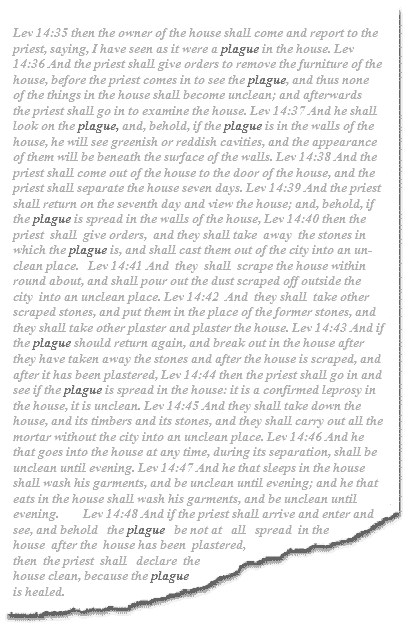
Bad building practice causes Mold problems . . . .and Mold is serious business - even once considered a "Plague" of Biblical Proportion: |
|||||||||||||||||||||||||||
 |
|||||||||||||||||||||||||||
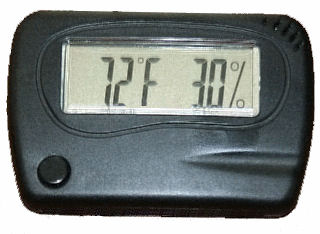
| Mold never sleeps and once introduced into an environment, it will await the onset of increased moisture to grow and multiply. Read how proper ventilation, not just added vents, but a balanced system can help. Learn how to meter the amount of moisture contained in interior air. Learn the proper amount of moisture and ways to find the causes and remedy the situation. | |||||||||||||||||||||||||||
Conditions that promote mold: Moisture, Warmth, and Food (Organic material) Proper roof ventilation can be the answer to many of these problems. Visit the following links to find out more about how to inhibit mold growth or decrease the level of conditions that favor mold growth and summer severe heat buildup that threaten many homes' roofs and structures: |
|||||||||||||||||||||||||||
|
|||||||||||||||||||||||||||
| We evaluate your situation and you receive an FHA Ventilation Footprint recommendation for Validation of your Roofing Warranty! Otherwise, no matter how good it sounds, your roof warranty may as well be written on swiss cheese - It is full of holes! | |||||||||||||||||||||||||||
| Warm
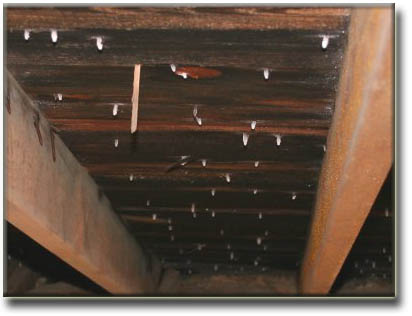
Air is a Moisture Conduit It is not the outside conditions such as the wind, but interior heat that is the conduit that carries with it most of the harmful moisture within residential dwellings. The sources of the most damaging moisture are not rain or snow or ice from the outside, but the very every day activities that produce water vapor within the home. This vapor is picked up and carried by warm air. Whatever the humidity level within a home during the winter, warm moisture laden air escapes the living area of the dwelling. Just as your breath immediately will fog the inside of your cold automobile’s windshield in the winter, so will warm attic air carry moisture up to the back side of the cold roof deck and there, drop its moisture. The nails of the installed roofing system, transfer cold right into the attic space. Frost can often be seen inside the attic, especially forming on the nail shanks. The attic can then take on a terrarium effect and actual rain-like precipitation begins to fall onto the attic floor. |
|||||||||||||||||||||||||||
New Growth Wood is also a consideration if your home is of the age where this type of lumber was used to construct it. New Growth Wood is a faster deteriorating, less dense wood. In addition to the moisture showing up inside the attic, the very same issues that cause attic moisture can also cause destructive ice dams on rooftops. Read how to prevent ice dams.Mold, Mildew and rot all feed on moisture and frost on the nails in your attic is evidence that you have too much moisture or not enough ventilation or too warm of an attic space. |
|||||||||||||||||||||||||||
 |
|||||||||||||||||||||||||||
Frost appears on Nails in the Attic |
|||||||||||||||||||||||||||
Moist Fiberglass Insulation
|
|||||||||||||||||||||||||||
MOLD REMEDIATION - CALL US TODAY |
|||||||||||||||||||||||||||
Moisture From Improper Exterior Siding Work Vinyl Siding - expected to leak by 'experts' Call us or drop an email (click below) for an estimate and we will be happy to explain. |
|||||||||||||||||||||||||||
|
|||||||||||||||||||||||||||
| Attic mold under your roof is a serious problem that should be addressed by a mold remediation expert. | |||||||||||||||||||||||||||